Introduction
Increasing production capacity is a primary goal for manufacturers who need to meet rising demand while still maintaining or improving product quality. Achieving this involves optimizing current operations, implementing smarter workflows, and upgrading technology. In this blog, we’ll explore the strategies and tools that manufacturers can use to effectively increase their production capacity without breaking the bank.What You’ll Learn
- Bottleneck Identification.
- Overall Equipment Effectiveness (OEE).
- Leverage Predictive Maintenance.
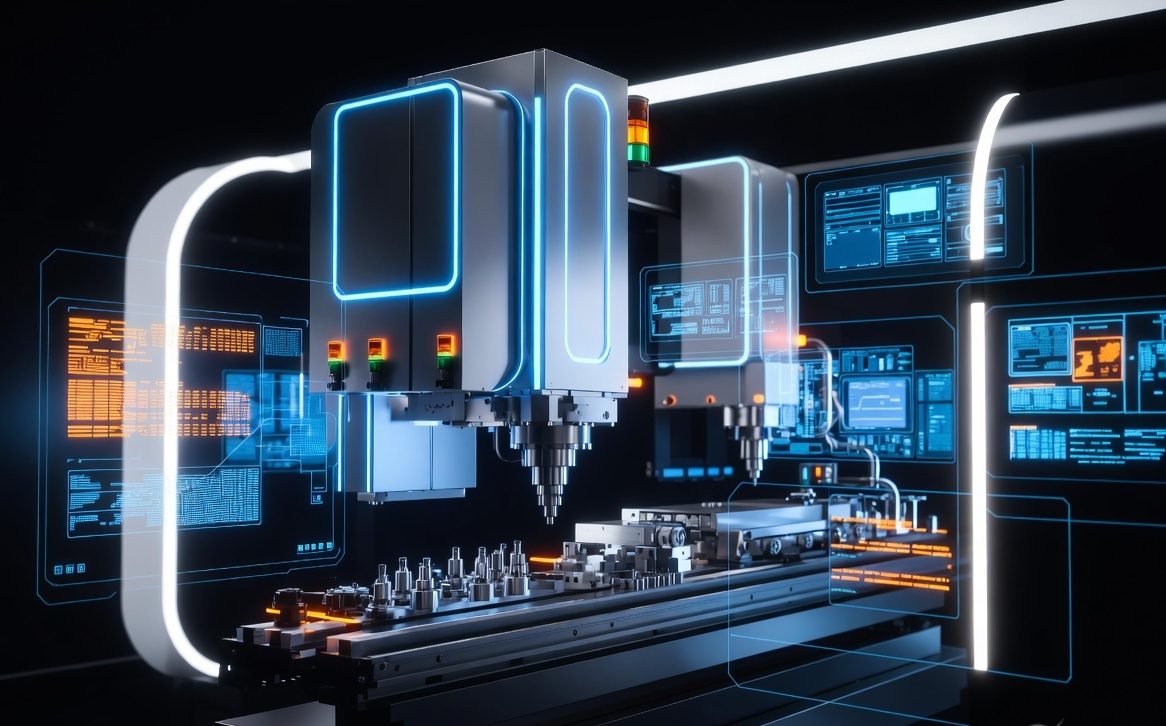
- Smart Factory Automation.
- Practical Tips.
Bottleneck Identification
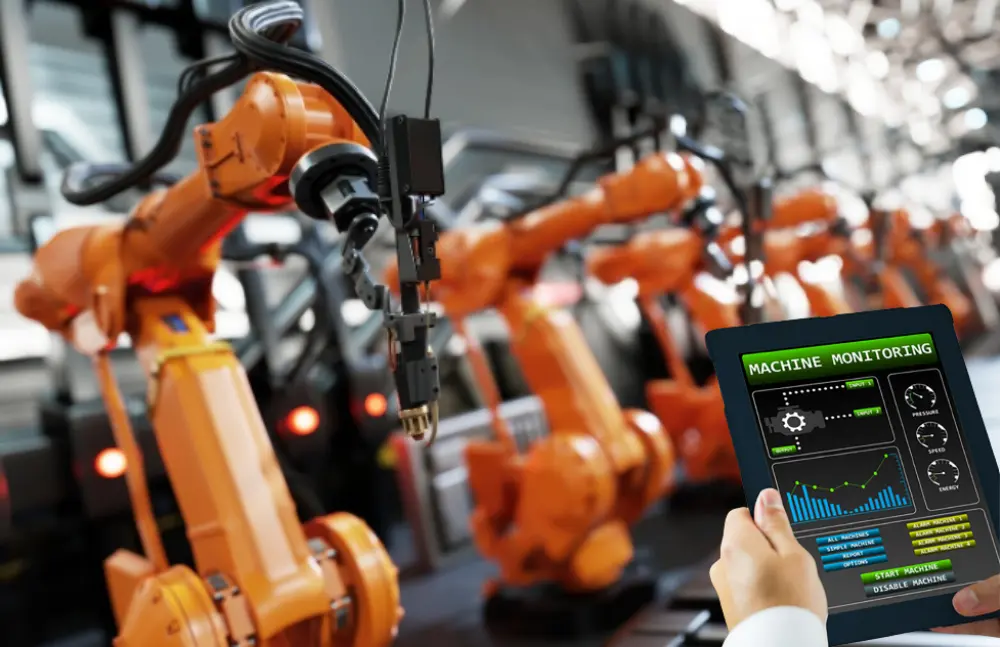
The first step to increasing production capacity is identifying the bottlenecks in your manufacturing process. Bottlenecks slow down the overall production speed and limit capacity. By using machine monitoring software and real-time production monitoring systems, manufacturers can easily track the performance of each machine and process, helping them spot areas where delays occur.Example
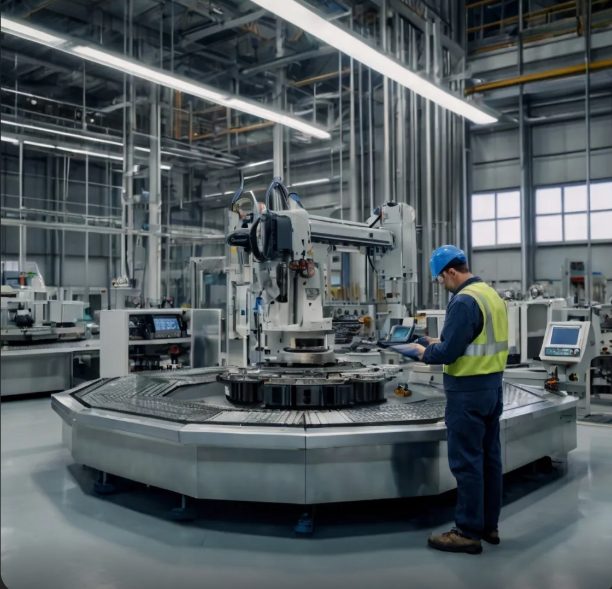
For instance, a CNC machine monitoring software might show that a specific machine is underperforming, causing delays on the production line. Once identified, managers can take corrective measures to resolve the issue.Broader Contribution
By addressing these bottlenecks, manufacturers can boost their capacity without making large capital investments. Fixing bottlenecks helps streamline the production process, leading to smoother operations and faster output.Optimize Overall Equipment Effectiveness (OEE)
What is OEE?
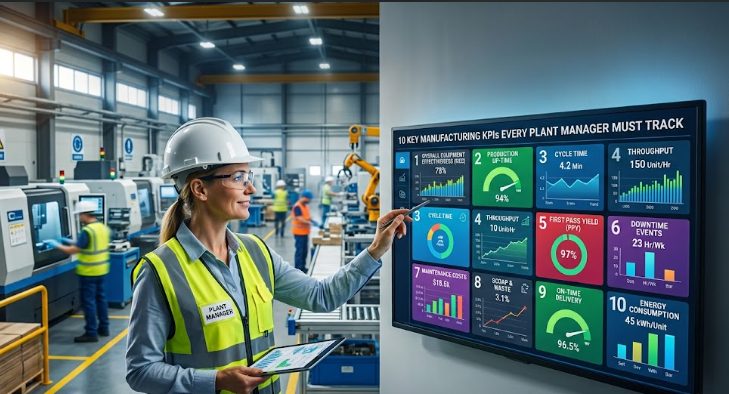
OEE (Overall Equipment Effectiveness) is a measure of how efficiently your manufacturing process is running. It looks at three key factors: performance, quality, and availability. By optimizing OEE with OEE tracking software, manufacturers can increase production capacity and get the most out of their machines.Real-World Application
Manufacturers can use OEE monitoring systems to evaluate how well their equipment is performing. If a machine is underperforming, adjustments can be made to improve its output and reduce downtime, thus improving overall capacity.Insights
By continually improving OEE, manufacturers can increase throughput without needing additional machines. This allows them to scale production within existing resources.Leverage Predictive Maintenance
Prevent Unscheduled Downtime
Unplanned downtime is one of the biggest obstacles to increasing production capacity. Predictive maintenance helps prevent downtime by forecasting machine failures before they happen. By using condition monitoring systems and machine health monitoring systems, manufacturers can predict when a machine is likely to fail and schedule maintenance accordingly.Challenges
A common mistake is relying solely on reactive maintenance, which only addresses problems after they occur. This can lead to costly repairs and long downtime, both of which harm production capacity.Solutions
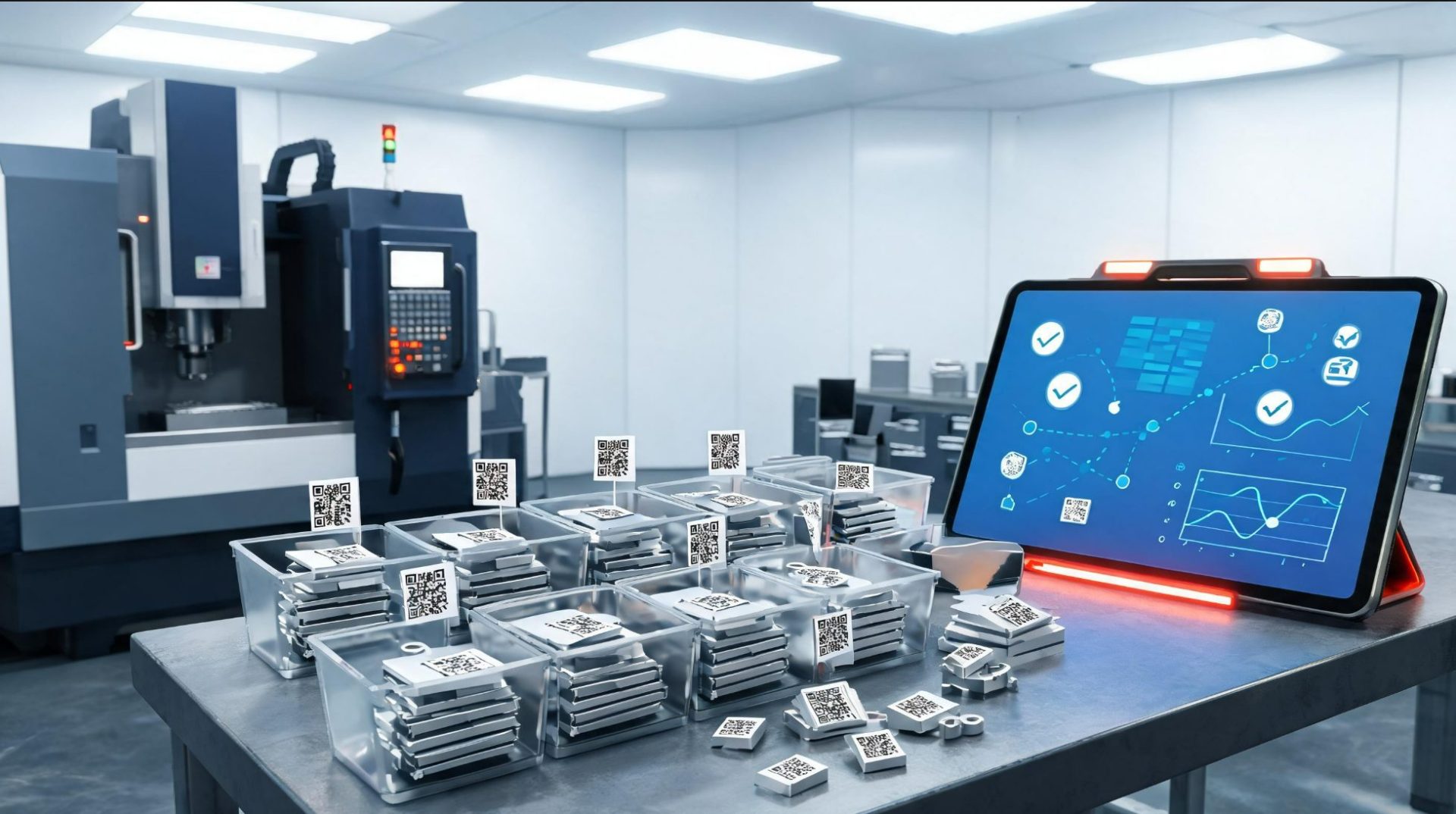
By using predictive maintenance tools like spindle load analysis monitoring IIoT and CNC tool life monitoring software, manufacturers can stay ahead of potential failures and keep production lines running smoothly. This reduces downtime and helps maintain continuous production.Embrace Smart Factory Automation
Automate Repetitive Tasks
Automation is key to increasing production capacity. By adopting smart factory solutions and smart factory automation, manufacturers can automate repetitive tasks like material handling, assembly, and packaging. This not only improves efficiency but also frees up workers for higher-value tasks.Real-World Application
For example, automating material handling processes can help a manufacturer reduce the time spent on these tasks, enabling faster throughput and higher production capacity.Insights
Automation doesn’t just improve efficiency—it also ensures consistent product quality. This scalability allows manufacturers to meet rising demand without sacrificing quality, making it easier to increase production capacity.Practical Tips or Actionable Steps
- Find bottlenecks: Use real-time production monitoring systems to track your production process and identify where delays are happening.
- Optimize OEE: Use OEE tracking software to measure and improve machine performance, availability, and quality.
- Adopt predictive maintenance: Implement CNC tool life monitoring software and machine health monitoring systems to anticipate and address potential failures before they disrupt production.
- Invest in smart factory solutions: Use smart factory automation to scale your production with minimal human intervention and automate repetitive tasks.
- Train employees: Ensure workers are trained to use digital tools effectively, increasing their productivity and efficiency on the shop floor.