Introduction
Robotic cells are built to deliver precision, consistency, and high output. However, without the right visibility and monitoring systems in place, even advanced automation can fall short of expected performance.
Many manufacturers face a critical gap, machines are running, but there is limited clarity on how efficiently they are performing.
This blog explores how a robotic cell improved its performance using real time machine monitoring and data driven decision making, unlocking hidden opportunities on the shop floor.
The Challenge: Performance Without Clarity
The robotic cell was operational and actively producing. Yet, there was uncertainty around actual efficiency.
Key concerns included:
- Fluctuating production output across different shifts
- Lack of clarity on downtime reasons
- No structured tracking of machine performance
- Difficulty in identifying performance losses
Without accurate data, improvement efforts remained inconsistent and reactive.
Hidden Losses in Daily Operations
When operations were closely examined, several inefficiencies surfaced:
- Small stoppages occurring frequently but going unnoticed
- Downtime not being recorded with proper reasons
- Delays in identifying and resolving machine issues
- Lack of accountability in operator level inputs
Individually, these issues seemed minor. Collectively, they had a significant impact on overall efficiency.
The Solution: Implementing sfHawk for Smart Monitoring
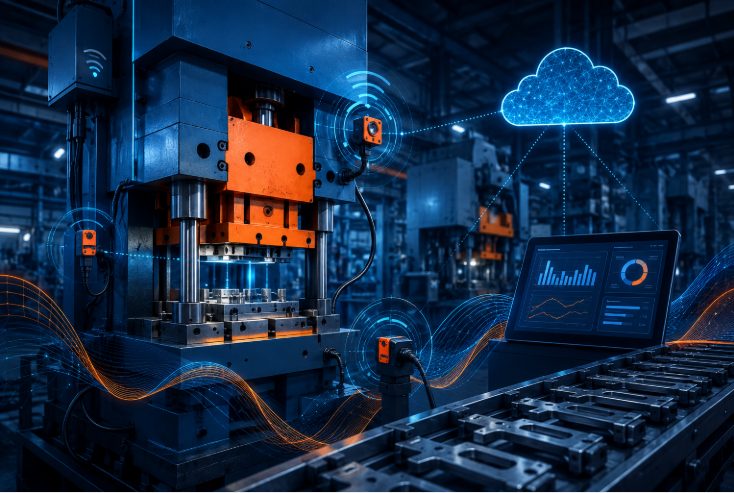
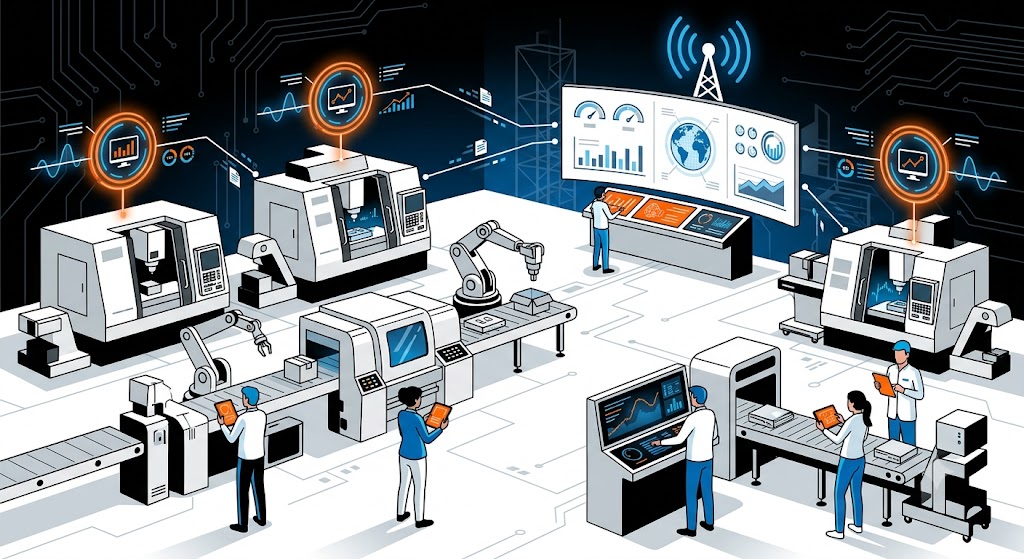
To overcome these challenges, the team implemented sfHawk, an IIoT driven machine monitoring solution.
The objective was not just to track data, but to make it usable and actionable.
Key Implementations
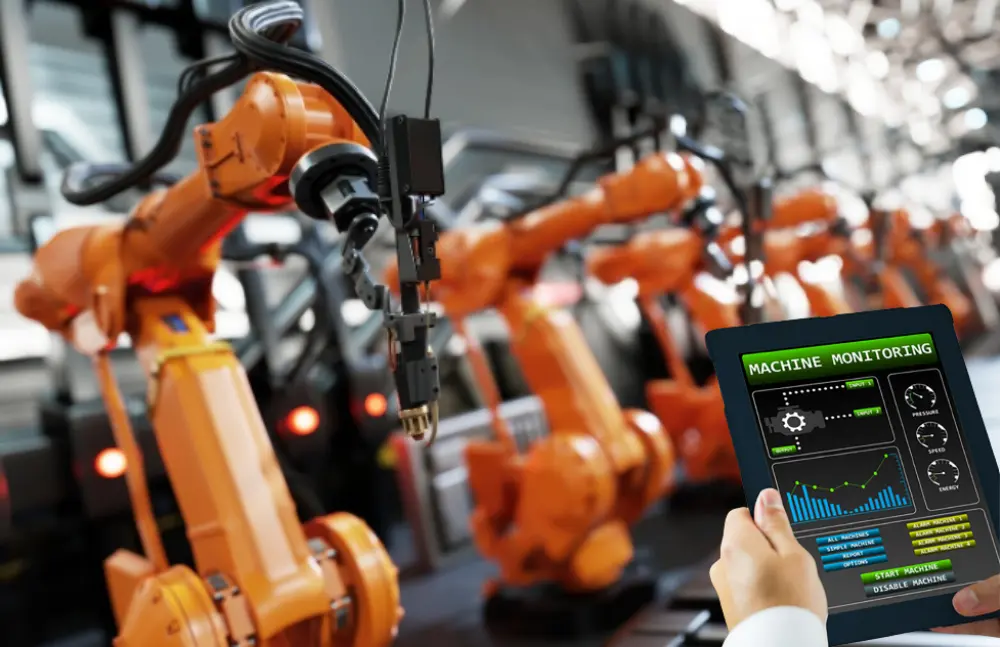
- Real time machine monitoring for the robotic cell
- Structured downtime tracking with predefined categories
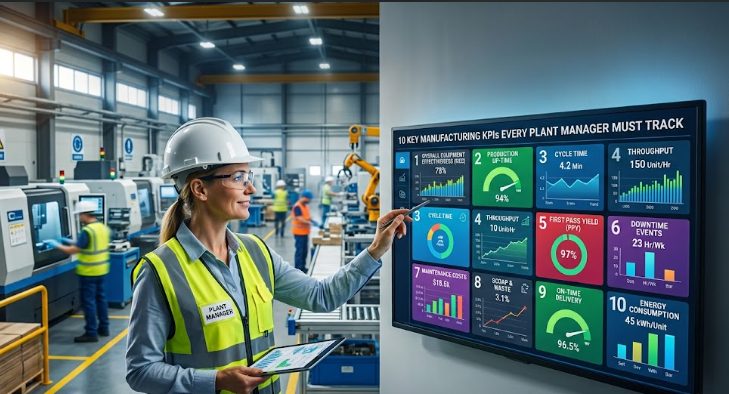
- Custom dashboards aligned with operational needs
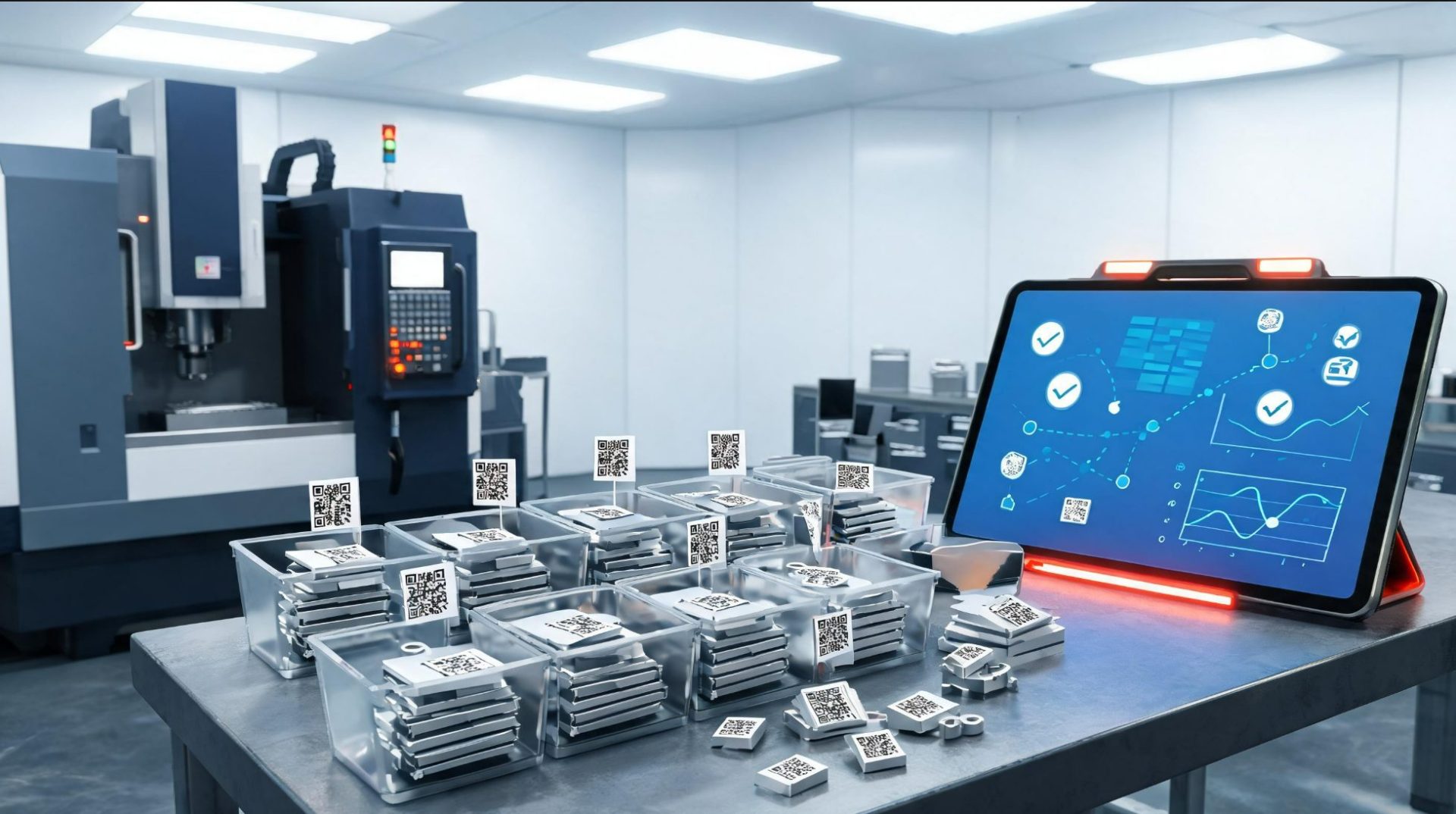
- Production tracking with accurate cycle level data
The system was tailored to match the client’s workflow, ensuring smooth adoption across the team.
Turning Insights into Action
With accurate data now available, the team began identifying clear patterns.
What the Data Revealed
- Frequent minor stoppages were contributing to major time loss
- Certain downtime reasons were recurring and required attention
- Operator response times varied significantly
- Some inefficiencies had never been tracked before
This visibility allowed the team to move from assumptions to informed decisions.
Shop Floor Improvements That Made the Difference
Based on the insights, several targeted actions were implemented:
- Standardizing downtime response processes
- Training operators for better system usage
- Reducing recurring stoppages through focused interventions
- Aligning production planning with real time data
These changes were practical, measurable, and easy to implement, leading to continuous improvement.
The Impact: A More Efficient Robotic Cell
Over time, the robotic cell began to show noticeable improvements in performance.
The transformation was driven by:
- Better visibility into operations
- Faster response to issues
- Improved accountability
- Consistent monitoring and optimization
The focus shifted from managing problems to improving performance.
Why Real Time Monitoring Matters in Robotic Cells
1. Immediate Visibility
Real time data enables faster identification of issues and quicker resolution.
2. Data Driven Decisions
Accurate insights help teams focus on the right problems instead of guessing.
3. Continuous Improvement
Ongoing monitoring ensures that improvements are sustained over time.
4. Custom Fit Solutions
Every manufacturing setup is unique, and systems must adapt accordingly for maximum impact.
A Note from the Client
sfHawk platform helped us improve the OEE of our robotic cell by 8% in 3 months. What stands out is their capability and readiness for customization as per customer requirements.
Conclusion
Improving the performance of a robotic cell does not always require major changes. Often, the biggest gains come from better visibility, structured data, and consistent action.
With the right monitoring system in place, manufacturers can unlock the true potential of their machines and drive measurable efficiency improvements.
Want to Improve Your Machine Performance?
Discover how real time monitoring and smart insights can help you optimize your robotic cells and overall operations.
Know more: Explore sfHawk solutions to bring clarity, control, and efficiency to your shop floor.
 www.sfhawk.com
 inquiry@sfhawk.com
 91120 98351