Introduction
In manufacturing, decisions are only as good as the data behind them. Every day, production planning, dispatch commitments, procurement orders, and customer promises are made based on part quantity numbers shown in production systems, ERP, or manual logs. These numbers are assumed to be correct, rarely questioned, rarely verified. When problems arise, attention usually shifts to machines, manpower, or scheduling. A machine breakdown is blamed. An operator shortage is cited. Targets are revised. What often goes unnoticed is a far more fundamental issue: the part quantity numbers themselves may be wrong. When the sfHawk team visits manufacturing plants facing missed deliveries, declining OEE, inflated inventory, or planning chaos, we consistently observe the same pattern: inaccurate part quantity count on the shop floor is silently undermining performance. This blog explores what inaccurate part quantity count really means, why it happens so frequently in manufacturing environments, what it is costing organizations, and how real-time production monitoring restores accuracy, control, and confidence.What You Will Learn
- What is an inaccurate part quantity count
- Why part counts go wrong in manufacturing environments
- Common causes of inaccurate production and inventory data
- What inaccurate part counts are costing your shop floor
- How inaccurate counts affect OEE, planning, inventory, and customers
- How real-time production monitoring systems fix part quantity inaccuracies

What Is an Inaccurate Part Quantity Count?
An inaccurate part quantity count occurs when there is a mismatch between:- The actual physical number of parts produced, consumed, or stored, and
- The quantity recorded in shop-floor logs, ERP systems, or production reports
- During production reporting
- While logging scrap, rejection, or rework
- During shift handover
- When WIP is transferred between processes
- During finished goods storage or dispatch
When We Walked Into the Plant
The factory was a Tier-2 automotive supplier running multiple CNC machines with frequent part changes. The production dashboard showed healthy numbers: “Today’s production: 1,200 parts.” However, a physical count on the shop floor told another story. Only 1,040 parts were actually available. No one could clearly explain where the remaining parts went. Scrap bins were not reconciled. Rework parts were mixed with good ones. Some quantities were estimated rather than measured. This was not an isolated incident, it was a daily reality that had become normalized.Why Do Part Counts Go Wrong?
Inaccurate part quantity count is rarely caused by one dramatic failure. It usually results from multiple small gaps across people, process, and systems, all interacting over time.Manual Entry Errors
Manual data entry remains one of the biggest contributors to inaccurate part counts.- Operators often enter production quantities at the end of a shift, relying on memory
- Fatigue, multitasking, and pressure to finish quickly increase error probability
- A single incorrect entry (for example, 800 instead of 300) can distort downstream planning
Lack of Training and Standard Operating Procedures
In many plants:- Operators are unclear about when to log production vs scrap
- Reworked parts are inconsistently counted
- Partial batches are either skipped or double-counted
Poor Scrap and Inventory Practices
Common shop-floor issues include:- Scrap bins not reconciled against reported scrap
- Rejected parts mixed with good parts
- WIP transferred without updating records
- Finished goods moved without system confirmation
No Real-Time Production Tracking
When production data is captured hours later:- Errors go unnoticed until it’s too late
- Supervisors cannot intervene during the shift
- Root causes are difficult to trace
System Gaps and Synchronization Issues
Disconnected systems create additional inaccuracies:- Delays between machines, shop-floor logs, and ERP/MES
- Missing updates during shift change or system downtime
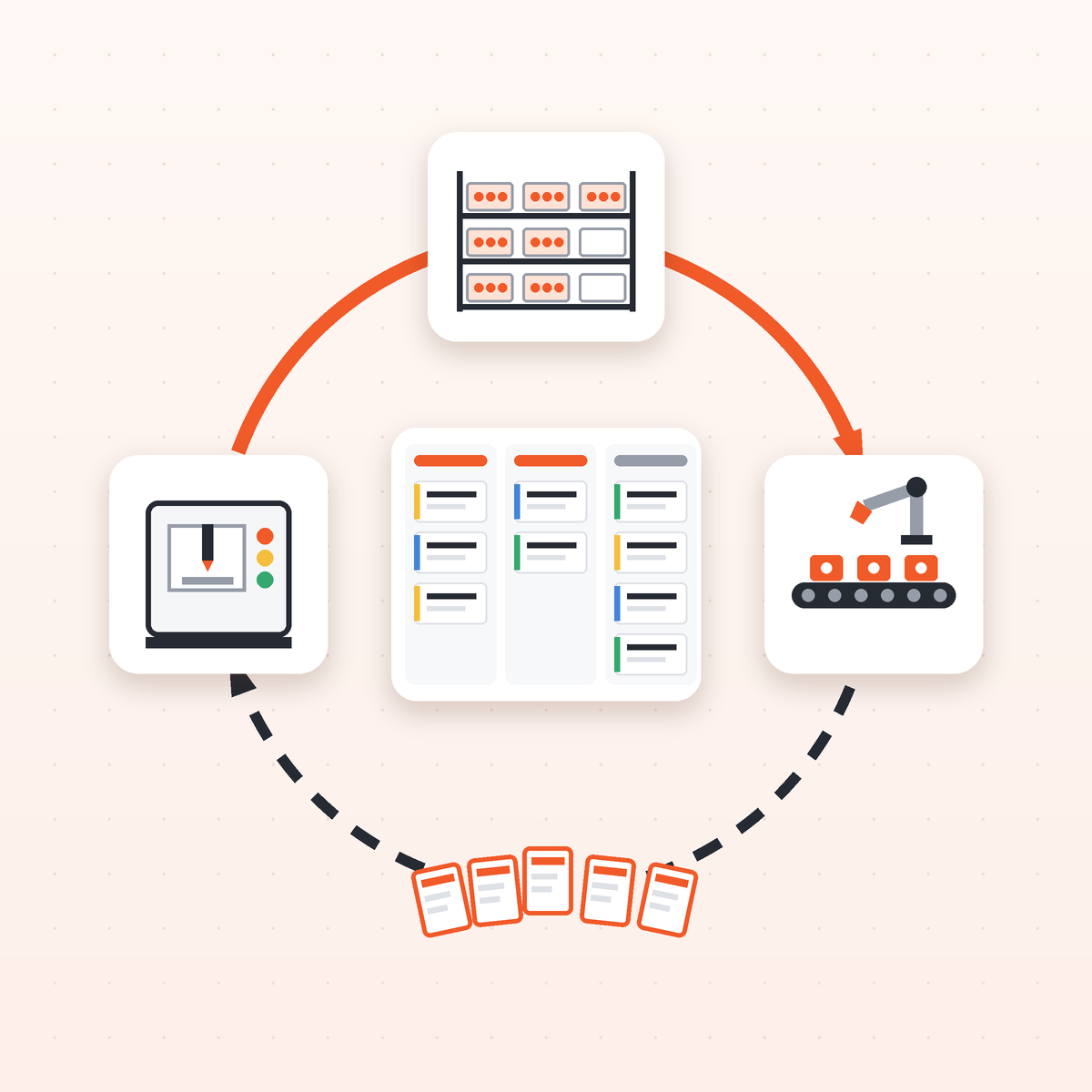
- No reconciliation between “produced,” “scrapped,” and “stored” quantities
What Inaccurate Part Counts Are Costing You
Inaccurate part quantity count is not just a reporting problem, it has direct financial, operational, and customer-facing consequences.Missed Production Targets and Lower OEE
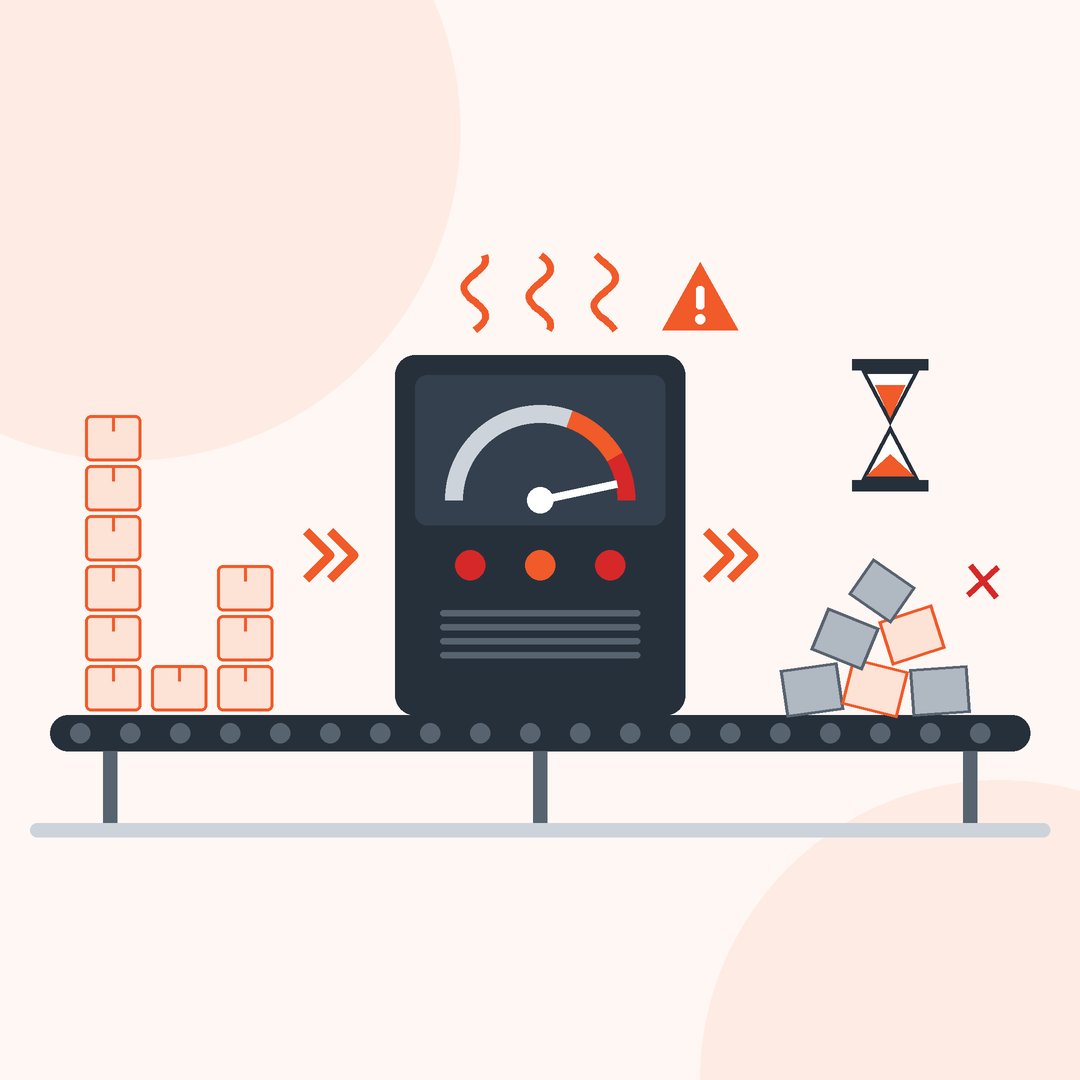
When planners rely on incorrect quantities:- Machines wait for parts that don’t physically exist
- Changeovers are delayed
- Operators remain idle
Customer Dissatisfaction and Delivery Failures
Incorrect part counts lead to:- Over-promising delivery dates
- Partial or delayed shipments
- Frequent rescheduling
Increased Manufacturing Costs
Inaccurate counts often trigger:- Emergency production runs
- Expedited raw material purchases
- Overtime labor
- Additional setups and rework
- Unplanned downtime
Planning and Forecasting Errors
When inventory data is unreliable:- Procurement orders material unnecessarily
- Production plans are based on false availability
- Excess inventory coexists with shortages
Quality and Compliance Risks
In regulated industries:- Incorrect traceability due to untracked scrap and rework
- Wrong parts entering dispatch
- Weak audit trails
A Real Shop-Floor Turning Point
One automotive unit we worked with had scaled rapidly from a small setup to nearly twenty machines. As complexity increased, delivery performance declined. Manual logs showed acceptable numbers, yet customers complained. After deploying sfHawk:- Actual part count per machine and per shift became visible
- Scrap and rework were logged in real time
- Discrepancies between system and physical counts surfaced immediately
How sfHawk Fixes Inaccurate Part Quantity Count
sfHawk captures production data directly from machines, reducing dependence on manual reporting. It enables:- Automatic, real-time part count tracking
- Immediate scrap and rework logging
- Shift-wise, machine-wise, and part-wise visibility
- Continuous reconciliation between actual output and system records
- Alerts when production deviates from plan
Why Manual Part Counting Will Always Struggle
Manual and paper-based systems:- Depend on memory and estimation
- Miss micro-level discrepancies
- Detect errors only after escalation
- Delay corrective action