A Common Misconception Explained
Introduction
Many small and medium manufacturing enterprises believe that production monitoring systems are meant only for large factories with deep pockets and complex management structures. Industry 4.0 is often perceived as expensive, complicated, and unnecessary for SMEs. As a result, many owners continue to depend on physical presence, phone calls, and manual reports to manage their shop floors. When the sfHawk team speaks with SME manufacturers, we often hear statements like “This is for big companies, not for us” “Our setup is too small for such systems” “We cannot justify the cost” In reality, manufacturing monitoring systems deliver some of their highest and fastest returns in SMEs. This blog explains why the idea that production monitoring systems are useless for SMEs is a misconception, how these systems solve real shop floor problems, and why visibility is essential for profitable growth.What You Will Learn
- Are production monitoring systems useful for SMEs
- Common shop floor problems faced by SME manufacturers
- How production monitoring systems fix these problems
- Benefits of production monitoring systems in SMEs
- Cost and return on investment for SMEs
- Time required to install and start using a monitoring system
- How sfHawk helps SMEs gain control of their shop floors
Industry 4.0 for SMEs Explained Simply
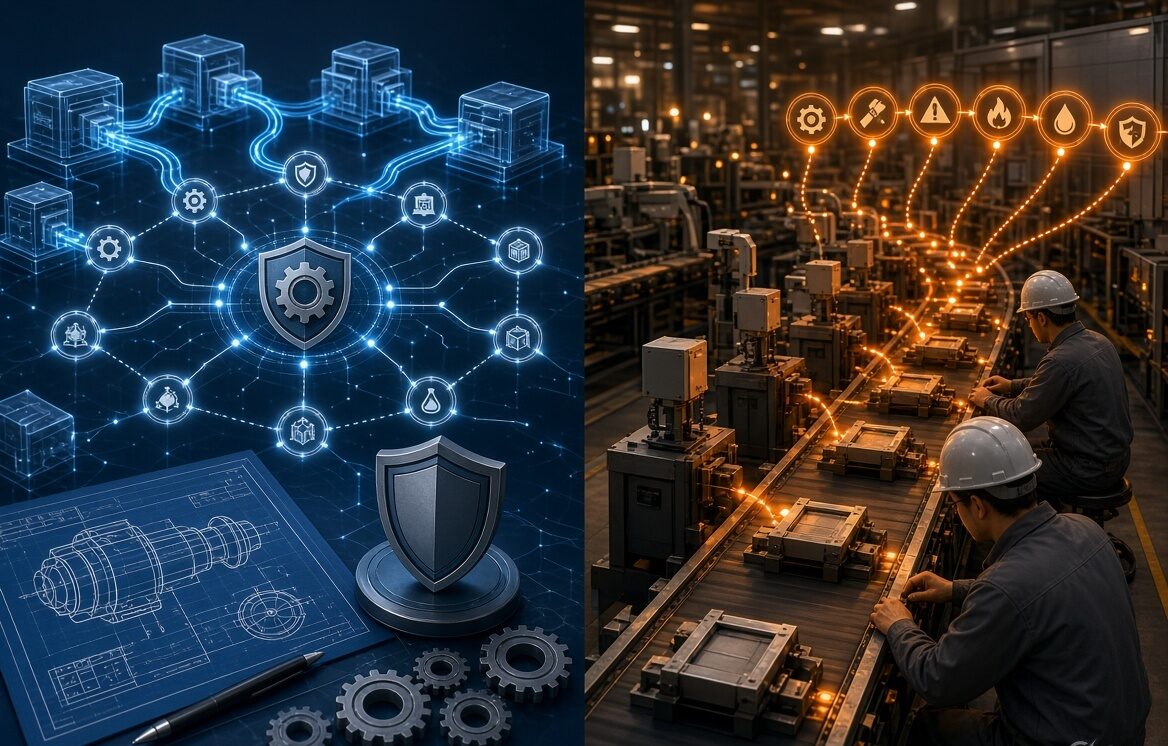
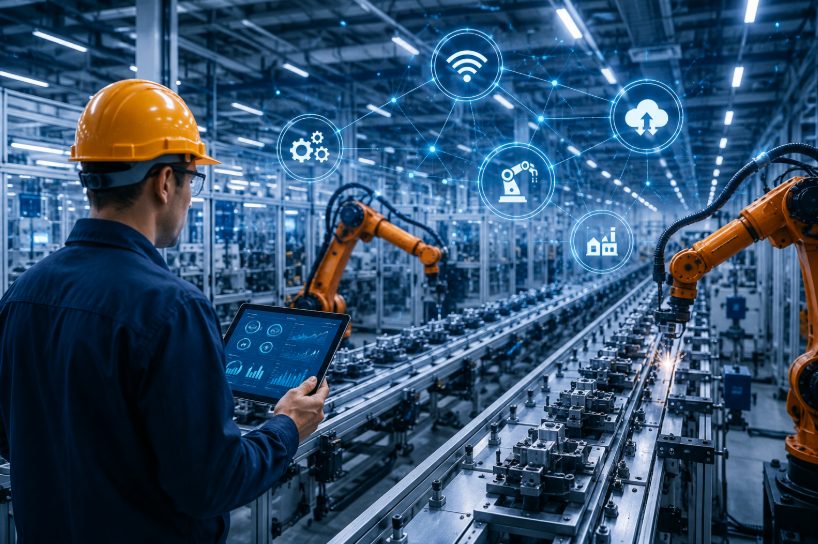
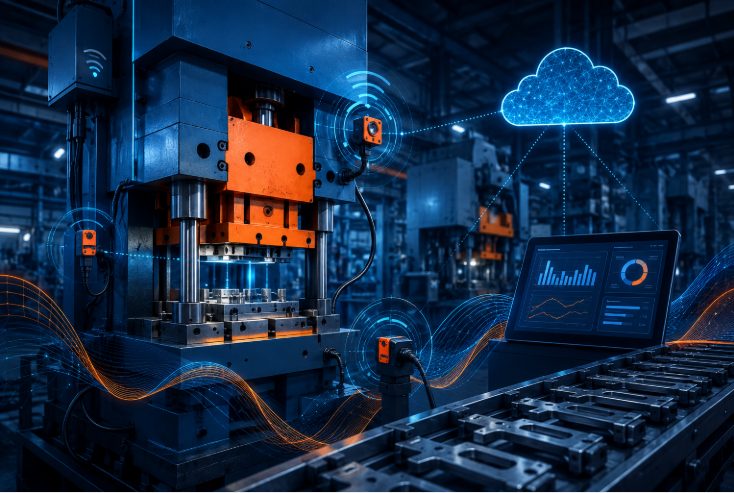
Industry 4.0 is often misunderstood as advanced automation or artificial intelligence. In reality, production monitoring is very simple. It involves- Collecting data directly from machines using sensors
- Transmitting data through IoT connectivity
- Storing and processing data using cloud computing
- Converting data into reports, alerts, and actionable insights
Problems Faced by SME Manufacturing Units
If you run an SME manufacturing firm, these situations may sound familiar. You manage the business yourself. There is little or no management hierarchy. Productivity is high when you are physically present on the shop floor. When you are away, machines are idle more often and production drops. You cannot be present all the time. You need to- Meet customers and vendors
- Visit banks and government offices
- Handle compliance and administration
Typical Shop Floor Issues in SMEs
- First shift scheduled at 6 AM but machines start at 6.30 AM
- Tea and lunch breaks extend beyond planned time
- Night shift output is consistently lower
- Frequent reasons include breakdowns, no material, no tools, or power shutdowns
- Some issues are genuine system problems
- Many are work discipline issues
How a Production Monitoring System Helps SMEs
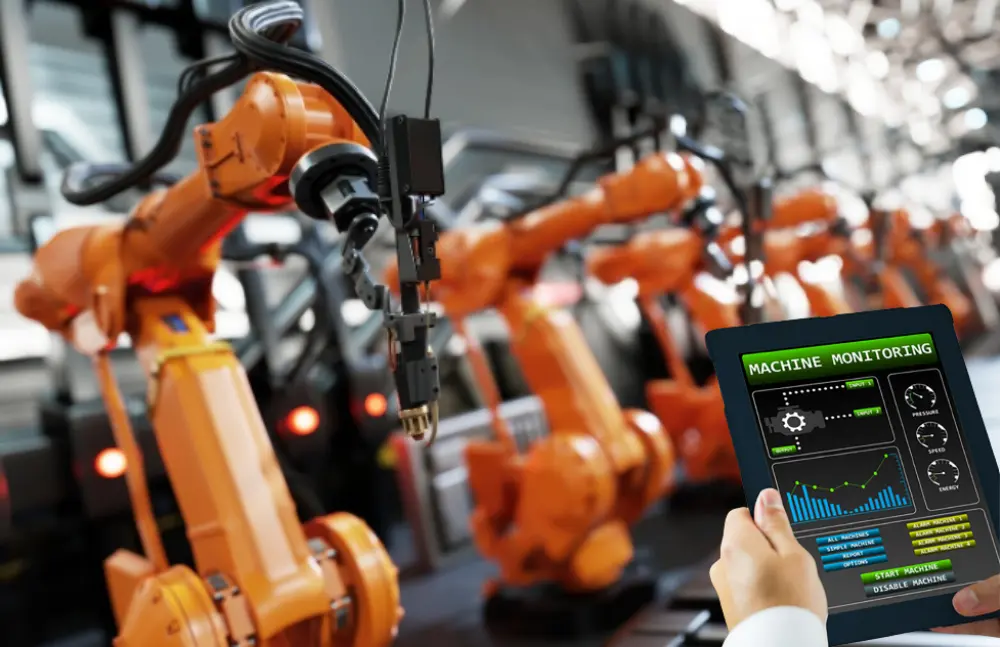
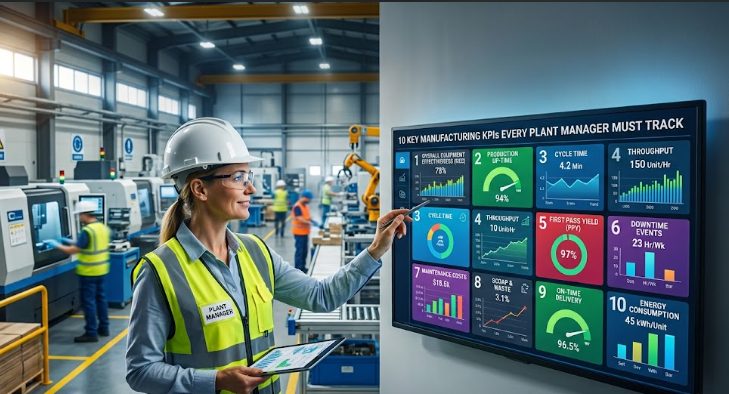
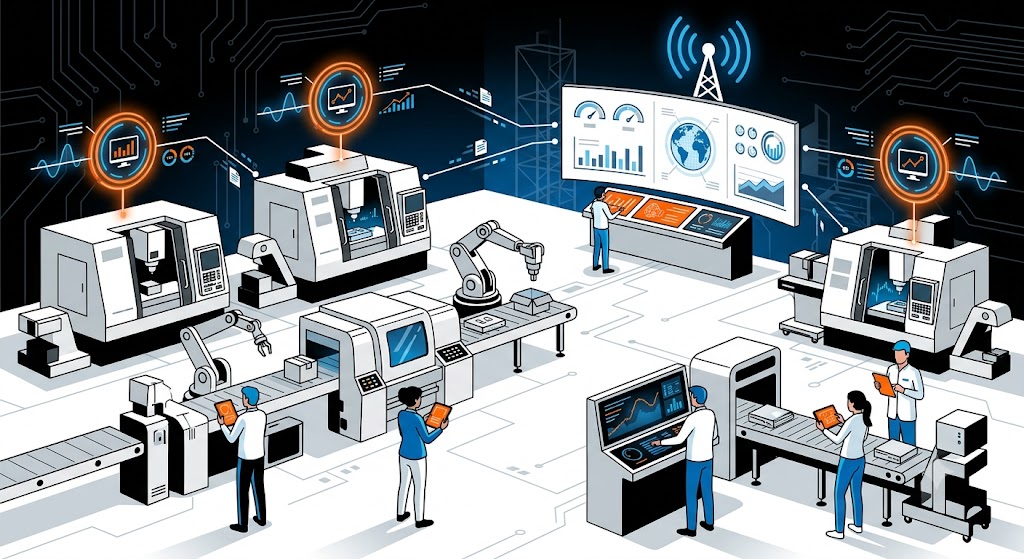
A production monitoring system gives SME owners real time visibility into shop floor performance, even when they are not physically present. From a mobile phone, tablet, or laptop, owners can see- Machine running and idle status
- Production quantity on each machine
- Downtime duration and frequency
- Reasons for downtime
- Shift wise and day wise performance
How sfHawk Helps SMEs Gain Control of the Shop Floor
sfHawk is designed specifically for small and medium manufacturing enterprises that need control without complexity. sfHawk connects directly to machines using simple sensors and IoT connectivity, capturing production data automatically. Once connected, it provides real time visibility into machine utilization, production counts, downtime patterns, and shift performance across the entire shop floor. For SME owners, the biggest advantage is remote visibility and control. Whether you are at a customer location, a bank, or away from the factory, sfHawk allows you to see exactly what is happening on your machines. Late starts, early stoppages, extended breaks, frequent breakdowns, or production falling below target become visible immediately. sfHawk converts raw machine data into simple dashboards, shift wise reports, and actionable alerts. This allows SME owners to focus on the biggest losses first, take corrective action quickly, and build shop floor discipline without constant physical supervision. Over time, this visibility leads to better work practices, higher machine utilization, lower downtime, and improved profitability using the same machines.A Simple ROI Example for SMEs
Consider a small SME with five machines.- Machine cost per hour is Rs. 200
- Available time is 22 hours per day
- Typical downtime is 40 percent
- Daily benefit becomes Rs. 440 per machine
- Monthly benefit becomes approximately Rs. 20,000

Benefits of Production Monitoring Systems in SMEs
Higher Production and Profits
Reducing idle time allows SMEs to produce more with the same machines, directly increasing revenue without increasing operating costs.Better Machine Utilization
Monitoring highlights underutilized machines and shifts, helping balance production and ensure uniform output throughout the day.Reduced Capital Expenditure
Better utilization delays or eliminates the need to buy new machines. Simple logic If downtime reduces from 40 percent to 20 percent, five machines effectively become six machines without buying another one.Lower Rejections and Scrap
Visibility into production patterns helps identify quality issues early, reducing scrap, rework, and material wastage.Reduced Energy and Consumable Costs
Efficient machine usage reduces unnecessary power consumption, tool wear, coolant usage, and maintenance expenses.Fewer Shifts for the Same Output
Many SMEs achieve the same production output in fewer shifts, reducing manpower and energy costs.Control Without Physical Presence
Owners can ensure consistent production performance even when they are not on the shop floor.Real Life Benefits Seen by SMEs Using Monitoring Systems
Production monitoring systems deliver similar benefits regardless of whether a firm has three machines or three hundred. Some real outcomes observed in SME environments include- No new machines purchased for years despite increasing orders
- Elimination of late starts and early stoppages within weeks
- Reduction from three shifts to two shifts while maintaining output
Time Required to Install a Monitoring System in SMEs
Modern production monitoring systems are plug and play. They can be- Installed in 15 to 30 minutes per machine
- Connected by regular maintenance technicians
- Activated immediately after installation
sfHawk SME Benefits at a Glance
- Real time machine monitoring
- Automatic downtime tracking with reasons
- Shift wise production visibility
- Mobile and desktop dashboards
- Alerts for breakdowns and low production
- Fast installation and quick payback
- Designed specifically for SMEs