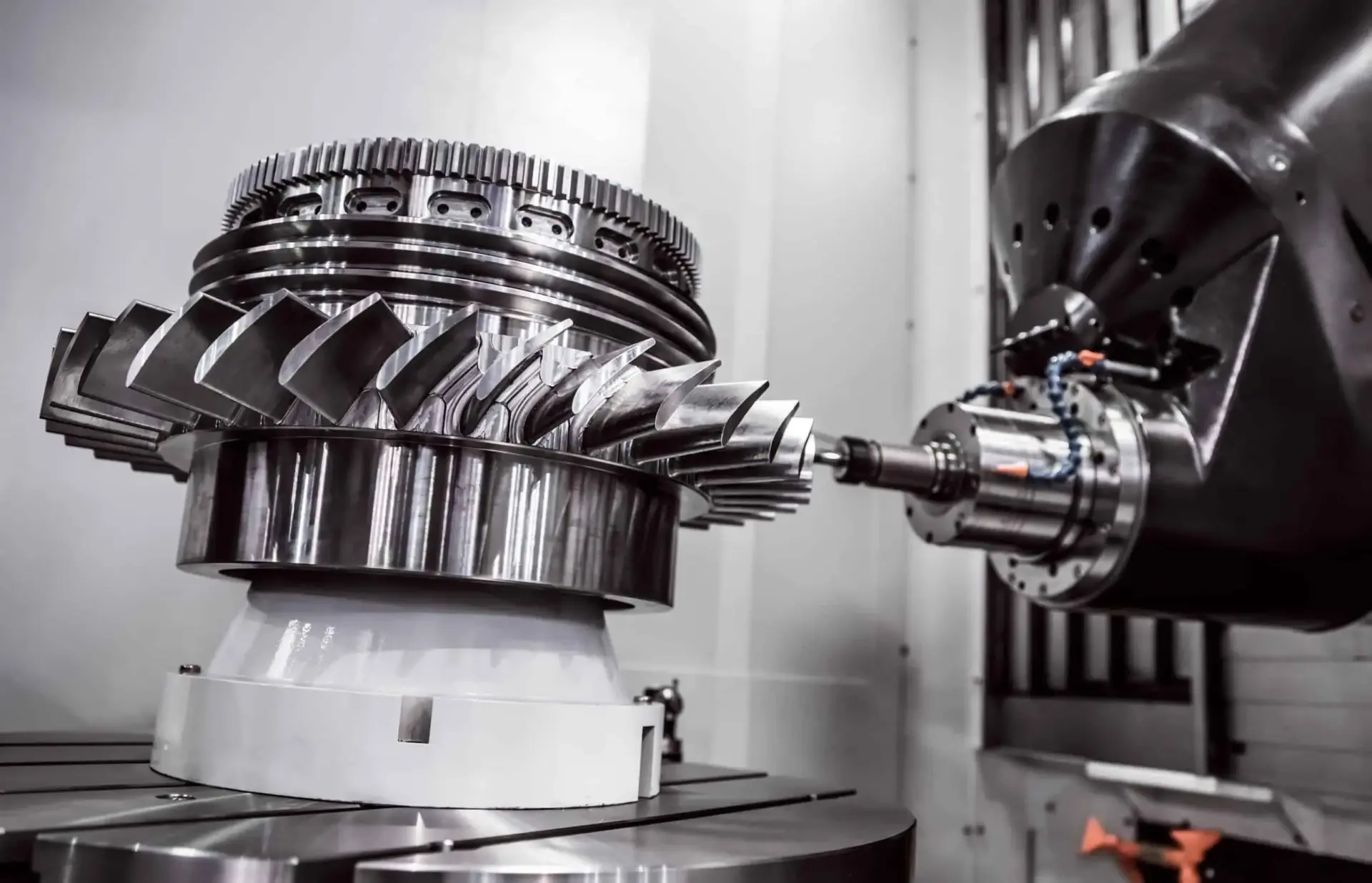
Spindle Load in CNC Machines: Meaning, Importance, Monitoring and Optimization
2 Mar, 2026
In modern CNC machining, spindle load is one of the most important real time indicators of machine performance, tool condition and productivity.
Many factories monitor part count and cycle time. Very few properly analyze spindle load. Yet spindle load directly reveals how efficiently a CNC, VMC or HMC machine is converting power into productive cutting.
If you want to improve tool life, reduce downtime and increase OEE without buying new machines, understanding spindle load is essential.
What Is Spindle Load in CNC Machines?
Spindle load is the percentage of power or torque used by the spindle motor during machining. It indicates how hard the spindle is working compared to its maximum rated capacity.
For example:
If a spindle has a rated capacity of 100 percent and is currently operating at 50 percent spindle load, it means it is using half of its available cutting power.
Spindle load changes continuously depending on:
Material type, Feed rate, Depth of cut, Tool condition, Tool wear, Cutting strategy.
In simple terms:
Spindle load shows the resistance the tool experiences while cutting material.
Why Is Spindle Load Important in Manufacturing?
Spindle load is critical because it provides real time insight into machining efficiency and machine health.
1. Tool Wear Detection
Gradual increase in spindle load often indicates progressive tool wear.
Sudden drop in spindle load may indicate tool breakage.
Without monitoring spindle load trends, tool failures often go unnoticed until scrap is produced.
2. Preventing Spindle Overload
Excessively high spindle load can lead to:
Spindle motor overheating, Bearing damage, Reduced spindle life, Unexpected breakdown
Monitoring spindle load helps maintain safe operating conditions.
3. Optimizing Cycle Time
Many machines operate at lower spindle load than they safely can.
If spindle load remains too low during cutting:
Material removal rate is reduced, Cycle time increases, Machine capacity is underutilized
Spindle load analysis helps optimize feed rate and depth of cut scientifically.
4. Improving OEE
Spindle load directly impacts:
Performance component of OEE, Quality stability, Machine availability
Monitoring spindle load helps identify whether performance losses are caused by programming, tooling or machine conditions.
What Is a Normal Spindle Load Range?
There is no universal number because spindle load depends on:
Machine capacity, Material hardness, Operation type, Tooling
However, in many machining operations:
Roughing operations may safely run between 50 percent to 70 percent spindle load.
Finishing operations may run between 30 percent to 50 percent spindle load.
Consistently operating above safe limits increases risk of damage.
Consistently operating too low indicates unused capacity.
The key is defining safe and optimal spindle load ranges based on historical data.
How Is Spindle Load Calculated?
Spindle load is generally displayed directly by the CNC controller as a percentage of maximum rated motor load.
The controller internally calculates load based on:
Motor current, Torque output, Power consumption
Manufacturers typically view spindle load as a percentage value on the machine interface.
For advanced analysis, this data can be extracted and monitored through machine monitoring systems.
Common Problems Caused by Poor Spindle Load Monitoring
When spindle load is not monitored properly, factories face:
Frequent tool breakage, Unplanned downtime, Longer cycle times, Inconsistent surface finish, Reduced spindle life, Hidden performance losses
Often, machines appear productive because they run continuously. But without spindle load analysis, they may not be cutting efficiently.
Real Use Case: How Spindle Load Unlocks Hidden Capacity
Consider a VMC running steel components.
Average spindle load during roughing is 35 percent.
Machine capacity allows safe operation at 60 percent.
After analyzing spindle load data:
Feed rate is optimized, Spindle load increases to 55 percent, Cycle time reduces by 12 to 15 percent, Output increases without new investment.
In another scenario:
Spindle load gradually increases over multiple shifts. This signals tool wear. Tool is replaced proactively.
Result:
No scrap, No emergency stoppage, Improved spindle protection.
Spindle load monitoring converts guesswork into measurable performance improvement.
Why Manual Monitoring of Spindle Load Is Not Enough
In many factories, spindle load is only:
Viewed on the CNC screen
Observed occasionally by operators
Not recorded historically
Not analyzed across machines
This creates three limitations:
No historical trend comparison
No early warning of gradual tool wear
No data driven optimization
By the time a problem is visible, it has already affected production.
Manual monitoring answers only one question:
Is the machine cutting right now?
It does not answer:
Is it cutting optimally?
Is it overloading?
Is tool wear increasing?
How Real Time Spindle Load Monitoring Improves Productivity
When spindle load is automatically captured and analyzed:
Every overload is recorded
Every slowdown is visible
Every trend is measurable
This allows teams to:
Act during the shift, Detect tool wear early, Prevent spindle damage, Optimize programs scientifically, Standardize best cutting conditions
Real time visibility transforms spindle load from a machine parameter into a performance lever.
How sfHawk Helps with Spindle Load Monitoring
Real Time Dashboard
Live visualization of spindle load across all connected machines.
Identify: Underloaded machines, Overloaded spindles, Abnormal load patterns.
Historical Trend Analysis
Track spindle load across shifts, batches, programs and operators. Detect gradual tool wear before failure.
Threshold Based Alerts
Set safe spindle load limits. If load crosses predefined thresholds, alerts are triggered and immediate action can be taken.
Integrated with OEE and Downtime
Spindle load data integrates with cycle time, downtime, part count and performance analysis. This provides a complete production intelligence view.
How Manufacturers Improve Output Without Buying New Machines
Most factories already have hidden capacity inside existing machines.
That capacity is locked inside conservative machining, unanalyzed spindle behavior, repeated minor inefficiencies and delayed response to overload.
With real time spindle load insights from sfHawk, manufacturers can:
Increase safe cutting efficiency
Reduce tool failures
Improve machine reliability
Boost overall equipment effectiveness
Unlock 10 to 20 percent productivity improvement
All without capital investment.
Final Thoughts
Spindle load in CNC machines is not just a technical indicator. It is a real time measure of how effectively your machine is creating value.
Machines may look busy. But only spindle load analysis reveals whether they are cutting efficiently, safely and profitably.
By combining spindle load monitoring with intelligent analytics through sfHawk, manufacturers can move from reactive maintenance to data driven optimization.
If you want to improve productivity, reduce downtime and protect spindle life, spindle load monitoring should be part of your core manufacturing strategy.