Overview
Many manufacturing plants look busy throughout the day. Machines are running, operators are engaged, and shifts are fully staffed. Yet despite all this visible activity, actual production output often falls short of expectations. This disconnect between visible effort and real value creation is one of the most widespread challenges in manufacturing. It explains why a majority of factories struggle to move beyond 40 to 50 percent capacity utilization, even with modern equipment and skilled manpower. This blog explains:- Why hidden capacity exists in manufacturing
- How OEE monitoring systems expose real losses
- Why manual production tracking fails
- How real time machine visibility improves utilization
- How manufacturers increase output without buying new machines
Why Factories Appear Productive but Underperform
Manufacturing activity is often mistaken for manufacturing efficiency. A machine that is powered on is not necessarily producing value. An operator who is busy is not always increasing throughput. When machine performance is measured accurately, several types of losses consistently appear:- Frequent short machine stoppages
- Machines running below standard cycle time
- Delays during setup and changeovers
- Waiting for material, tools, inspection, or approvals
- Minor quality issues and rework
Understanding Capacity Utilization in Manufacturing
Capacity utilization measures how much of the available machine time is converted into productive output. Low utilization does not mean machines are idle for long periods. In practice, it usually looks like this:- Machines run for most of the shift
- Output remains lower than planned
- Production targets are frequently missed
The Problem with Manual Production Data Collection
One of the main reasons hidden losses remain hidden is reliance on manual data collection. In many factories, production information is still:- Recorded on paper
- Entered into spreadsheets after the shift
- Based on memory or estimates
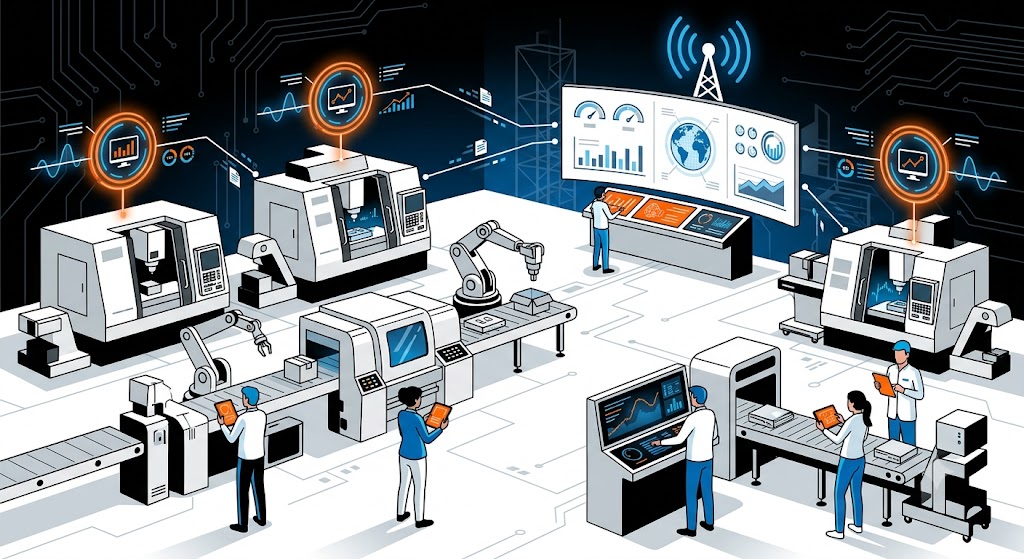
The Role of Real Time Machine Visibility
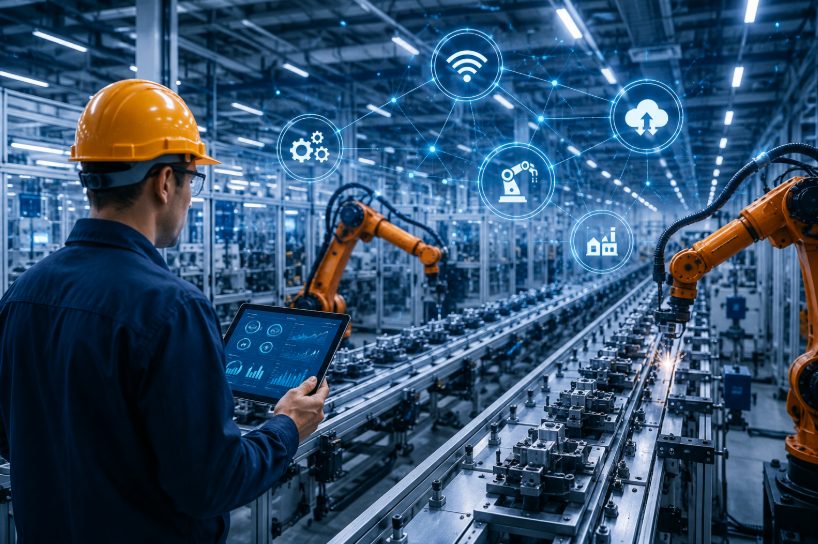
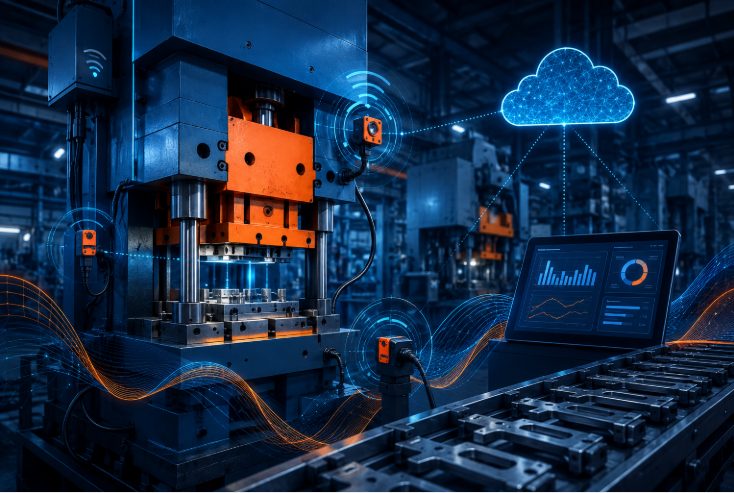
Real time machine visibility fundamentally changes how manufacturing performance is managed. When machines automatically report their status and output:- Every stop is recorded
- Every slowdown becomes visible
- Patterns of loss emerge clearly
What Is an OEE Monitoring System
An OEE monitoring system measures how effectively machines convert available time into good output. OEE is made up of three components:- Availability, whether the machine is running when it should
- Performance, whether it is running at the correct speed
- Quality, whether it produces acceptable parts
How OEE Monitoring Reveals Hidden Capacity
Hidden capacity exists when machines have unused potential that is masked by poor visibility. OEE monitoring helps uncover this capacity by:- Quantifying downtime accurately
- Highlighting speed losses that go unnoticed
- Linking quality losses to specific machines or shifts
Increasing Output Without New Machines
One of the most important insights for manufacturing leaders is that higher output does not always require new equipment. Most factories already have 20 to 40 percent unused capacity within their existing setup. This capacity is locked inside:- Unmeasured downtime
- Repeated speed losses
- Slow response to recurring problems
How sfHawk Enables Real Time Manufacturing Visibility
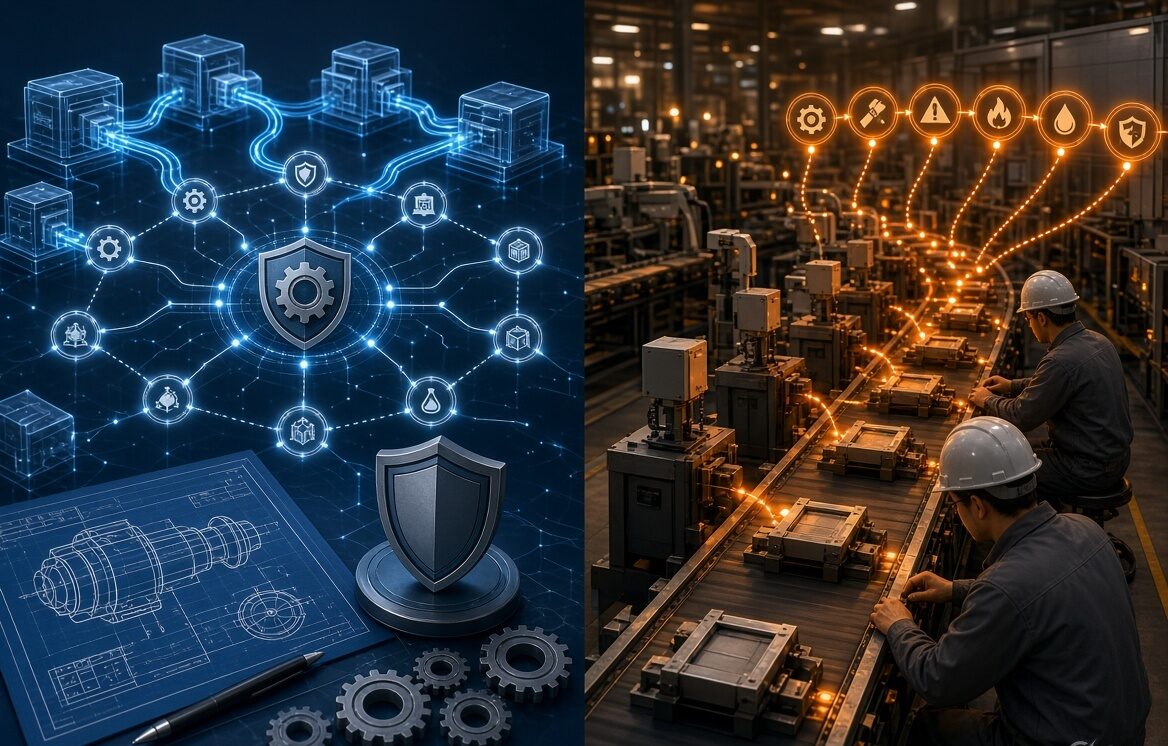
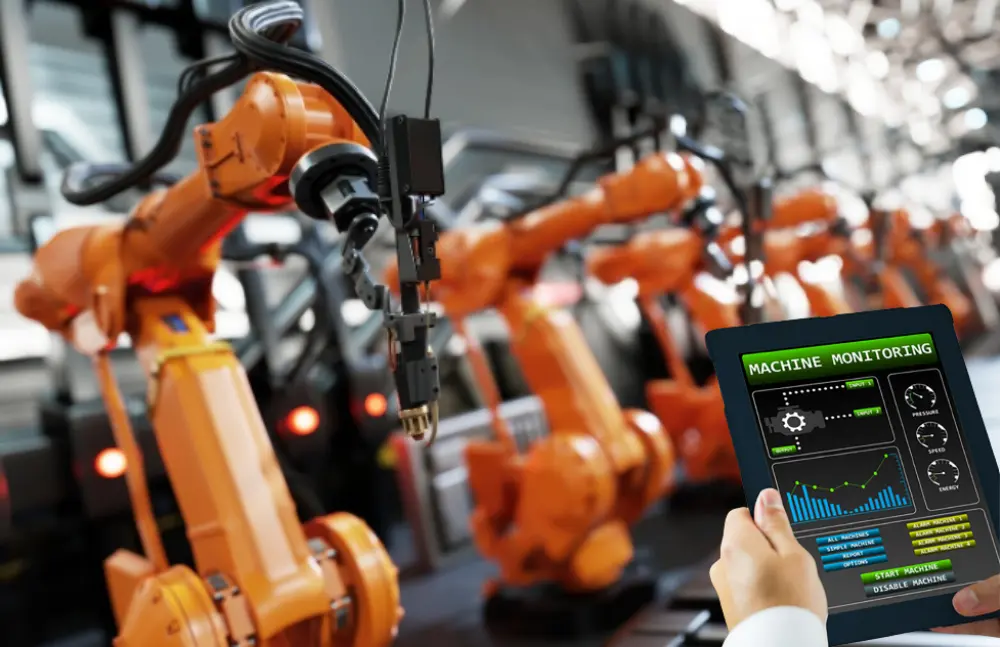
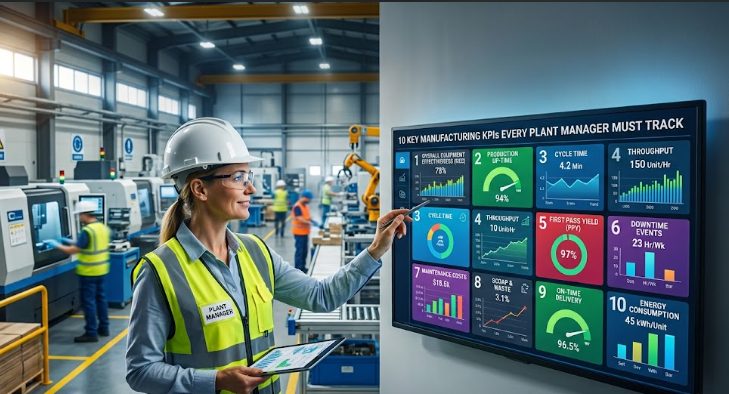
sfHawk is designed to provide clear and immediate visibility into shop floor performance. It connects directly to machines and captures production data automatically. This data is converted into real time dashboards, shift wise reports, and actionable alerts. With sfHawk, manufacturers can:- Monitor machine utilization continuously
- Track downtime with accurate reasons
- Identify performance losses as they occur
- Compare planned versus actual production
- Respond to issues before they escalate
Why Visibility Drives Continuous Improvement
Continuous improvement depends on accurate measurement. When losses are invisible, improvement relies on assumptions. When losses are visible, improvement becomes systematic. Real time monitoring aligns operators, supervisors, and management around a single version of reality. Discussions shift from opinions to facts. Actions shift from reactive to preventive. This alignment is essential for sustaining long term performance improvement.Common Signs of Hidden Capacity Loss
Factories experiencing hidden capacity loss often show similar symptoms:- Machines run all shift but targets are missed
- Operators remain busy with low throughput
- Frequent firefighting without permanent fixes
- Production numbers change after manual correction
- Reports do not match shop floor reality