The solution to increasing output, improving quality, and reducing downtime lies in the success of shop floor management. The adoption of digital technologies and data-centric solutions can make shop floors more efficient as manufacturers face increasing pressure to deliver more, faster, and with better quality. Efficient shop floor management driven by real-time data is essential for getting things done.
Let’s look at how to enhance shop floor management by focusing on valuable tactics and progress-fostering technologies.


Implement Real-Time Machine Monitoring
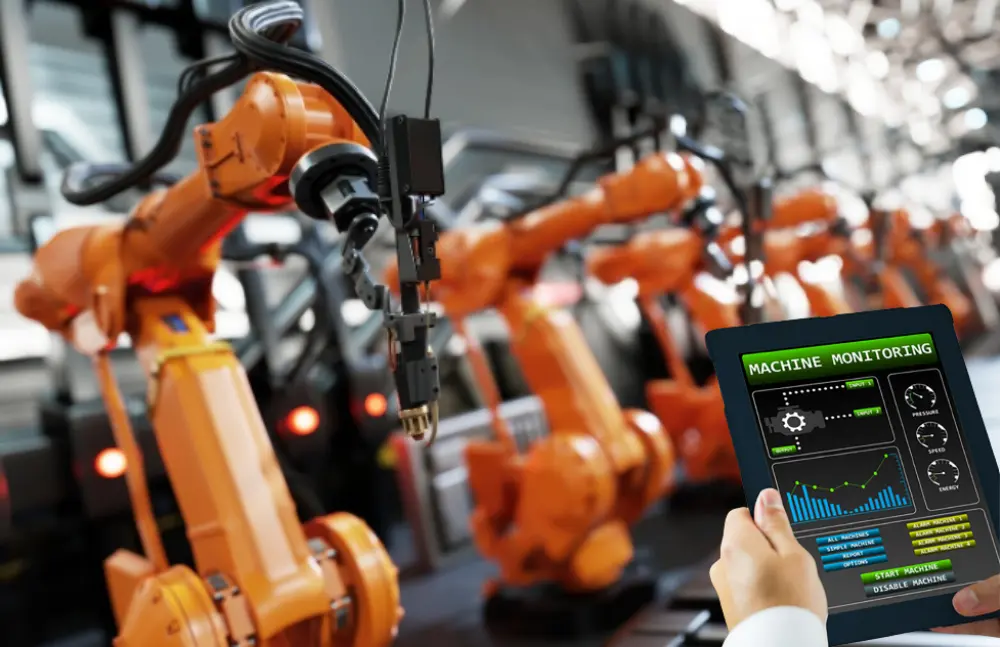
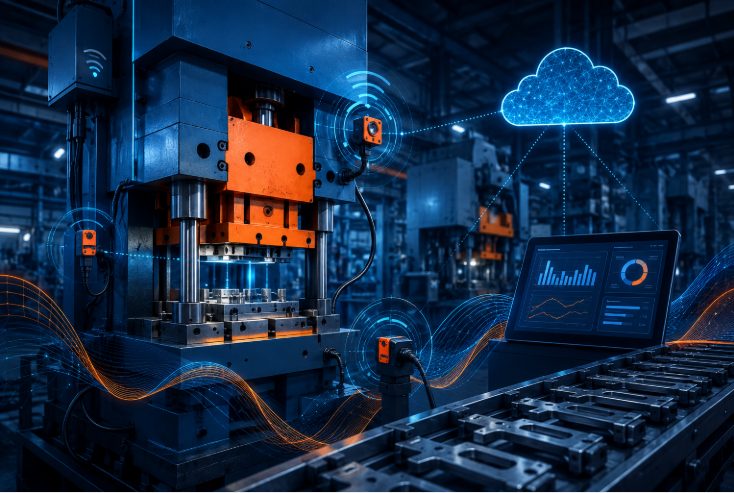
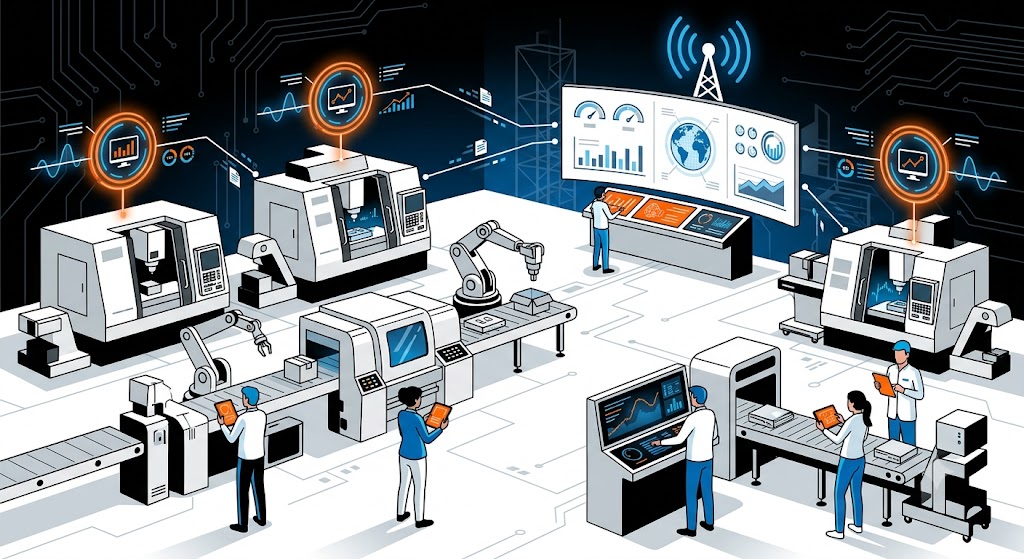
Including a real-time production tracking system that enables you to see how your machine is performing is one of the first steps to making shop floor operations more efficient. Your machine’s status, production rates, and operational health can be constantly monitored by CNC machine monitoring software, VMC machine monitoring systems, and HMC machine monitoring systems.Benefits:
- Real-time notifications of inefficiencies and machine breakdowns.
- Higher equipment uptime through early identification of problems before they escalate into failures.
- Supervisors can also monitor operations from anywhere using dashboards and mobile apps.
Maximize Overall Equipment Effectiveness (OEE)
OEE tracking software is crucial for determining the productivity of your machines. Productivity is measured by three main aspects, quantified through OEE monitoring systems:- Availability (ratio of machine uptime to downtime)
- Performance (production speed)
- Quality (defects in mass-produced products)
Embrace Predictive and Preventive Maintenance
Maintaining equipment health and avoiding unscheduled downtime require efficient maintenance. Predictive maintenance and condition monitoring systems can significantly reduce maintenance costs while improving operational efficiency.- Predictive maintenance predicts when a machine needs to be serviced using real-time data from machine health monitoring systems and industrial IoT for predictive maintenance.
- Preventive maintenance uses machine performance parameters from equipment condition monitoring systems and CNC tool life monitoring software to schedule repairs before failures occur.
Improve Traceability and Quality Control
Maintaining strict quality standards and traceability throughout the production cycle is fundamental to shop floor management. It’s possible to trace all components produced and stay within industry specifications by employing traceability solutions for CNC machine operators and component traceability systems. Using SPC charts for CNC machines can track process variances and ensure that all parts produced meet quality standards. Quality assurance procedures can be supported by real-time checks to detect flaws early, generating fewer shipments of faulty products to customers.Enable Workers Through Digital Solutions
Improving operator productivity starts with providing technology to the shop floor management system. Operators need easy-to-use, manageable interfaces to track machine output, maintenance needs, and production progress. By using shop floor machine management software, operators can access real-time data and make decisions based on accurate information, rather than guesswork. Empowering employees to utilize such systems enables them to adopt data-driven methods in their daily operations, leading to increased productivity. Additionally, providing operators with smart factory automation software enables them to make quicker decisions, boosting motivation and overall efficiency.Enhance Communication Across the Shop Floor
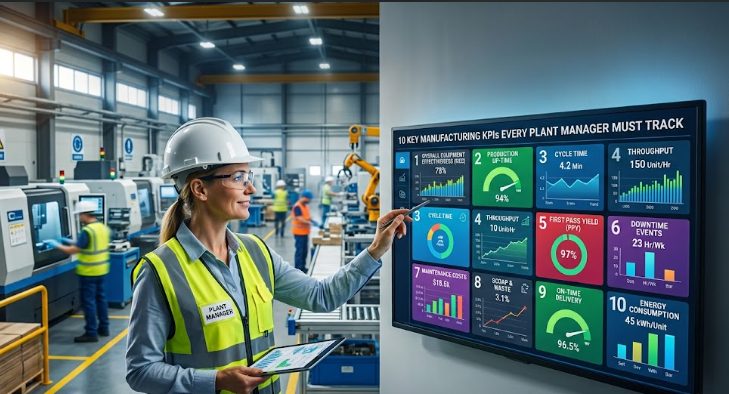
Communication is vital for the smooth operation of any factory. Shop floor management systems allow managers to improve communication between various teams, including those handling quality control, production, and maintenance. For example, production monitoring display systems can show real-time KPI and machine status information to all relevant employees, minimizing errors and miscommunication by keeping everyone updated.